In the developmental process of children with autism, a structured and conscious approach in the home environment is just as important as institutional support. Supportive educational recommendations that can be implemented at home can help foster the child's daily living skills, communication, attention, and independence.
However, activities carried out at home should not replace professional support. The most effective approach is to consistently support the goals set by specialists within the home environment as well.
Create a Daily Routine
Predictable routines can provide a sense of security for children with autism. Keeping mealtime, play, sleep, educational activities, and rest times within a certain order can make it easier for the child to adapt to daily life.
Use Short and Clear Instructions
Instructions given to the child should be short, explicit, and easy to understand. Simple expressions can be used instead of long sentences. For example, clear instructions like "Put the toy in the box" can be understood more easily.
Utilize Visual Supports
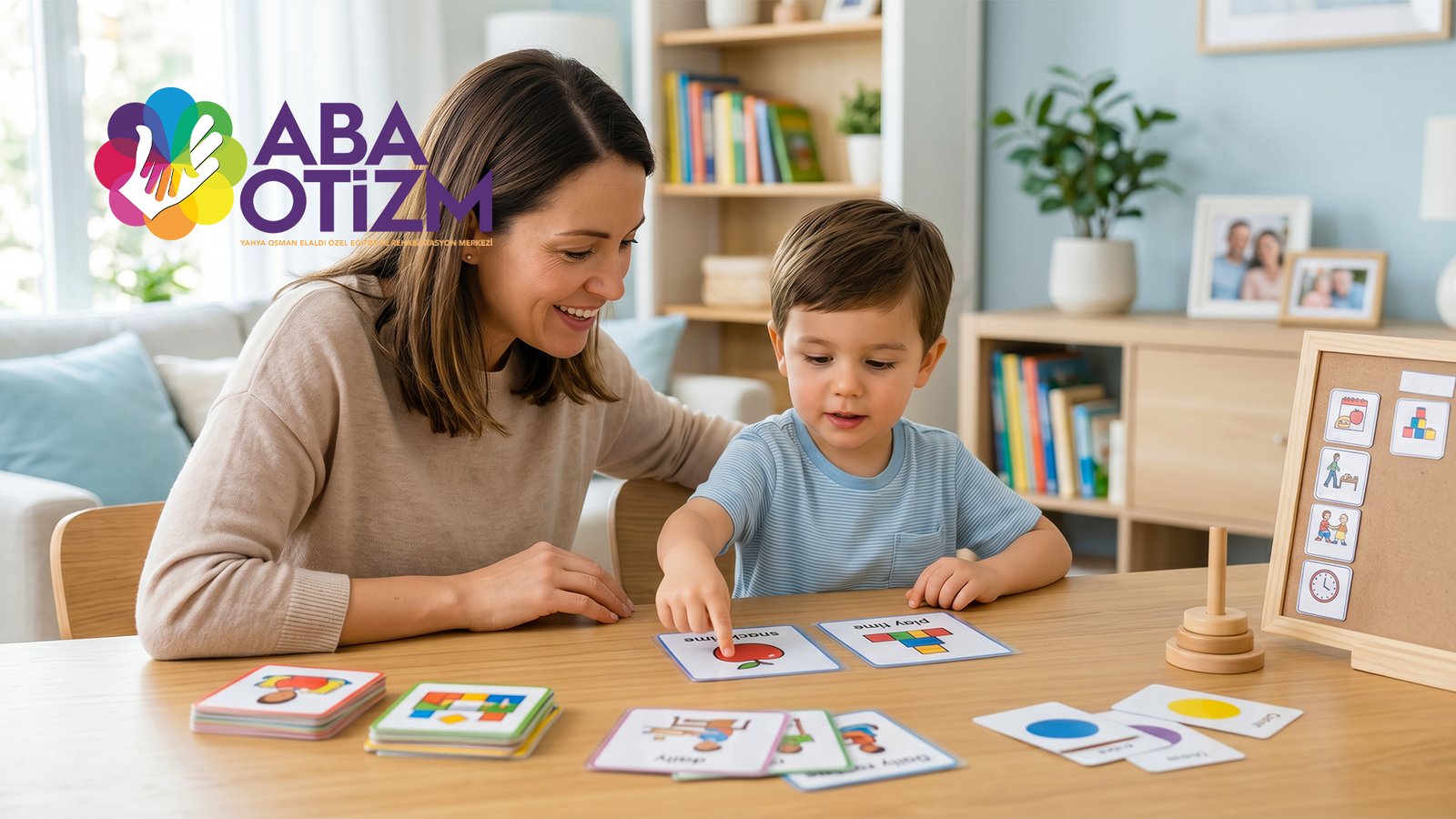
Visual cards, routine charts, and simple pictorial guides can help the child understand what to do. Visual supports can be particularly beneficial during transitions and within daily routines.
Offer Choice Opportunities
Providing two options to the child can support communication skills. Simple choices such as "Red t-shirt or blue t-shirt?" contribute to the child's self-expression.
Reinforce Achievements
Positive behaviors demonstrated by the child should be noticed and reinforced. This can boost the child's motivation to learn.
Supportive educational recommendations that can be implemented at home for families of children with autism can help support the child's developmental process within daily life. Routines, visual supports, clear communication, and collaboration with professionals are the fundamental components of this process.