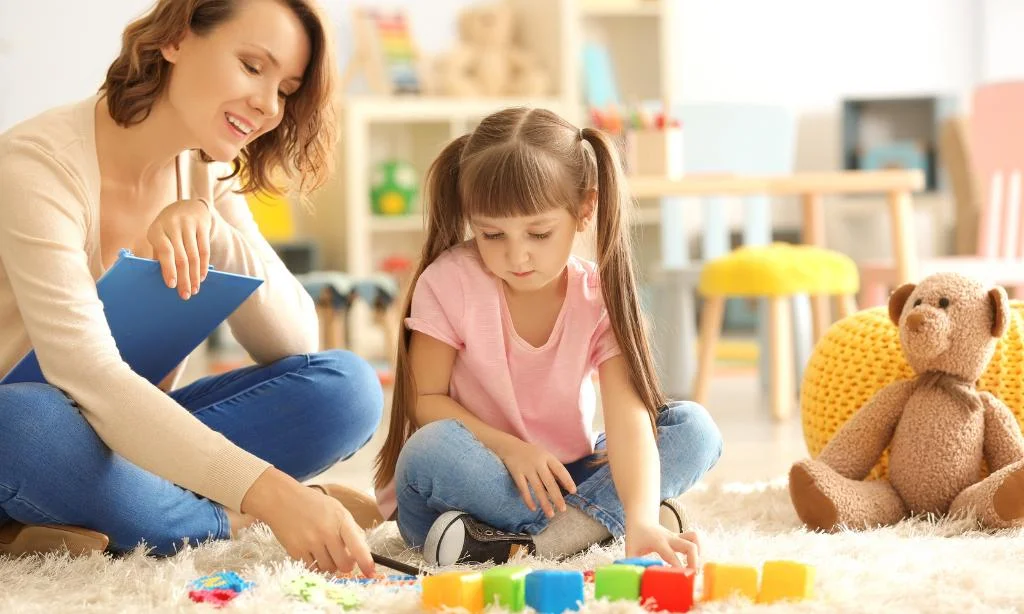
Children's emotional development is a cornerstone of a healthy life. Play therapy is an effective therapeutic method that helps children develop their emotional intelligence, understand emotional problems, and cope with them. In this article, we will examine the role of play therapy in contributing to children's emotional development.
What is Play Therapy?
Play therapy uses the power of play to address children's emotional problems and challenges. Play allows children to express their emotions, communicate with each other, and develop emotional skills. Play therapists work with children through play and support their emotional well-being.
The Contribution of Play to Emotional Development
- Emotional Expression: Play teaches children how to express their emotions. During play, children express their emotional experiences, which contributes to the development of emotional intelligence.
- Stress Management: Play helps children learn how to cope with stress. When faced with challenges, they can reduce their stress through play.
- Empathy Development: Play therapy encourages children to understand the emotional experiences of others and develop empathy.
- Self-esteem and confidence: Play increases children's self-esteem and helps them build self-confidence. They experience a sense of accomplishment when they win.
- Emotional Skills: Play therapy focuses on developing emotional skills. Skills such as anger management, anxiety reduction, and emotional control are taught.
Who is it suitable for?
Play therapy is suitable for children and young people of all ages. It is an especially effective therapeutic method for children who are experiencing emotional problems or who need to strengthen their emotional skills.
How can I apply?
For more information about play therapy or to apply, please contact us. We are here to contribute to your child's emotional development.