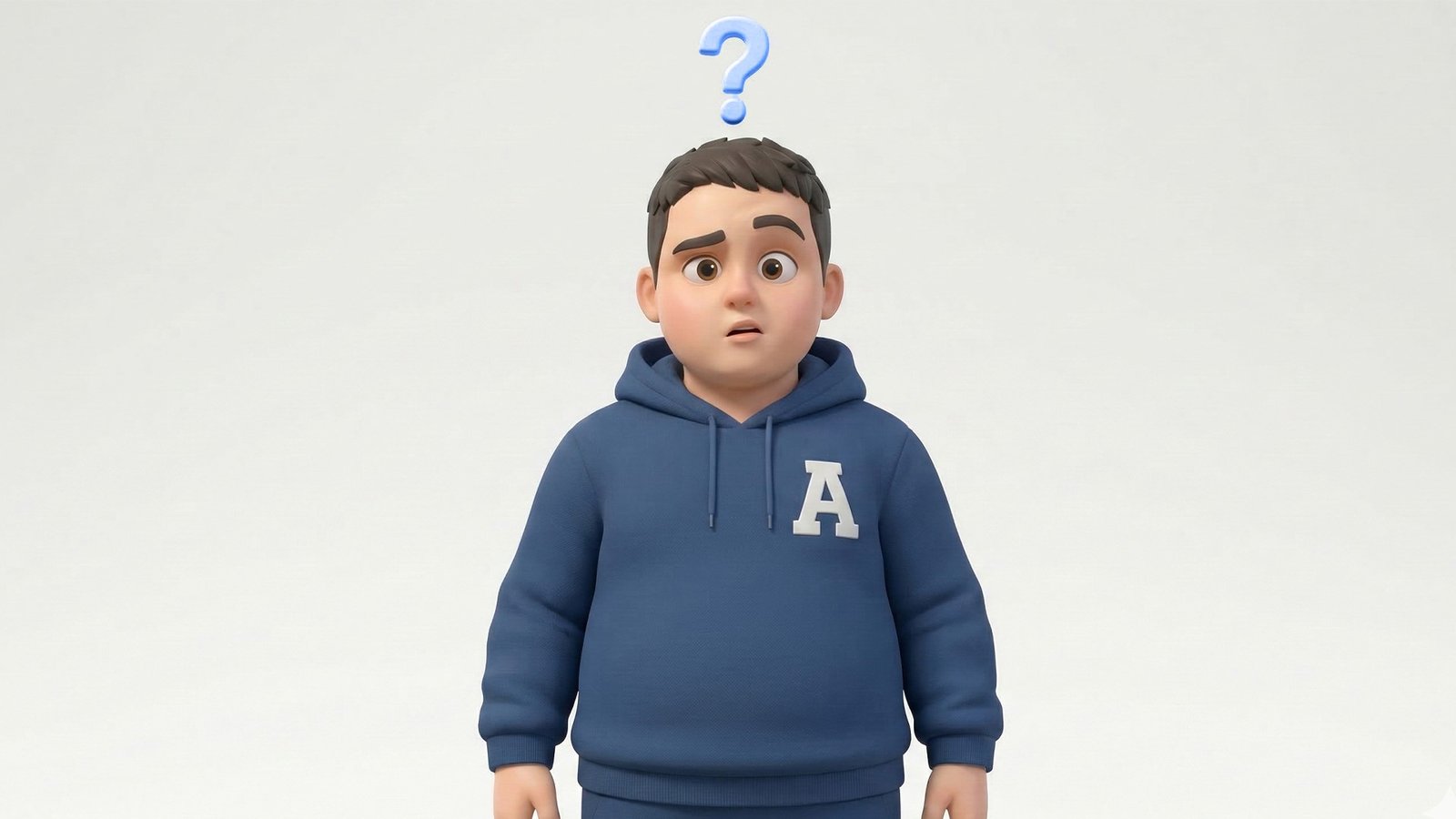
Many parents occasionally say this sentence:
“I call many times, but my child doesn’t look at me.”
Sometimes children may not immediately respond to sounds around them when they are playing a game, watching television, or focusing on a toy. This is quite normal.
However, if some children consistently do not respond when their names are called, this may attract the attention of parents.
Especially in early childhood, not responding to one’s name may be a sign of certain developmental differences. This does not always mean there is a problem, but in some cases it may be seen as one of the early signs of autism.
Why Might Children with Autism Not Respond to Their Names?
Children with autism spectrum disorder may show differences in how they interact with their environment.
There can be several reasons for not responding to their name.
-
Social Attention Development May Be Different
Children with autism may sometimes focus more on objects rather than people.
For example, a child may focus for a long time on:
- a spinning toy
- a light
- moving objects
In this situation, the voices of people around them may remain in the background.
For this reason, the child may not immediately turn when their name is called.
-
Auditory Processing May Be Different
Some children may need more time to interpret the sounds they hear.
This often leads families to think:
“Does my child have a hearing problem?”
However, most of the time the issue is not hearing.
The child hears the sound but may need more time to:
- interpret the sound
- shift attention
- respond
-
Social Communication Development May Be Different
In autism, social communication skills may develop differently.
For this reason, the child may:
- avoid eye contact
- not turn when called
- have difficulty engaging in social interaction
This may be among the early signs that should be noticed especially in children between 12–24 months.
Could This Be an Early Sign of Autism?
Research shows that in some children with autism spectrum disorder, the ability to respond to their name may be delayed.
Special attention should be paid if the following situations are observed:
- the child frequently does not respond to their name
- eye contact is limited
- social interaction is weak
- speech development is delayed
If these signs appear together, a professional evaluation is recommended.
However, there is one important point to remember:
Every child develops differently.
Not responding to a name alone does not mean autism.
What Can Parents Do If Their Child Does Not Respond to Their Name?
Experts suggest some simple strategies to help support children’s social response skills.
Move Into the Child’s Field of Vision
Instead of calling the child from behind, standing in front of them and saying their name may be more effective.
This method helps direct the child’s attention toward you.
Wait After Saying the Name
Some children may need time to respond.
Instead of repeating the name immediately, it may be helpful to wait a few seconds.
Reinforce the Response
It is very important to respond positively when the child looks at you.
For example:
- smiling
- saying “Well done”
- starting a game together
can encourage the behavior to be repeated.
When Should Professional Support Be Sought?
A professional evaluation may be helpful if the following situations are observed:
- the child does not respond to their name between 12–18 months
- eye contact is very limited
- the child does not participate in social games
- speech development is delayed
Through early evaluation, children’s developmental needs can be identified more accurately.
How Does ABA Therapy Support This Process?
ABA (Applied Behavior Analysis) is a scientifically based educational method used to improve social and communication skills in children with autism.
In ABA programs, children are systematically taught skills such as:
- responding to their name
- making eye contact
- initiating social interaction
- developing communication skills
These skills are taught in small steps and positive behaviors are reinforced.
Early intervention programs can provide significant improvements in children’s development.