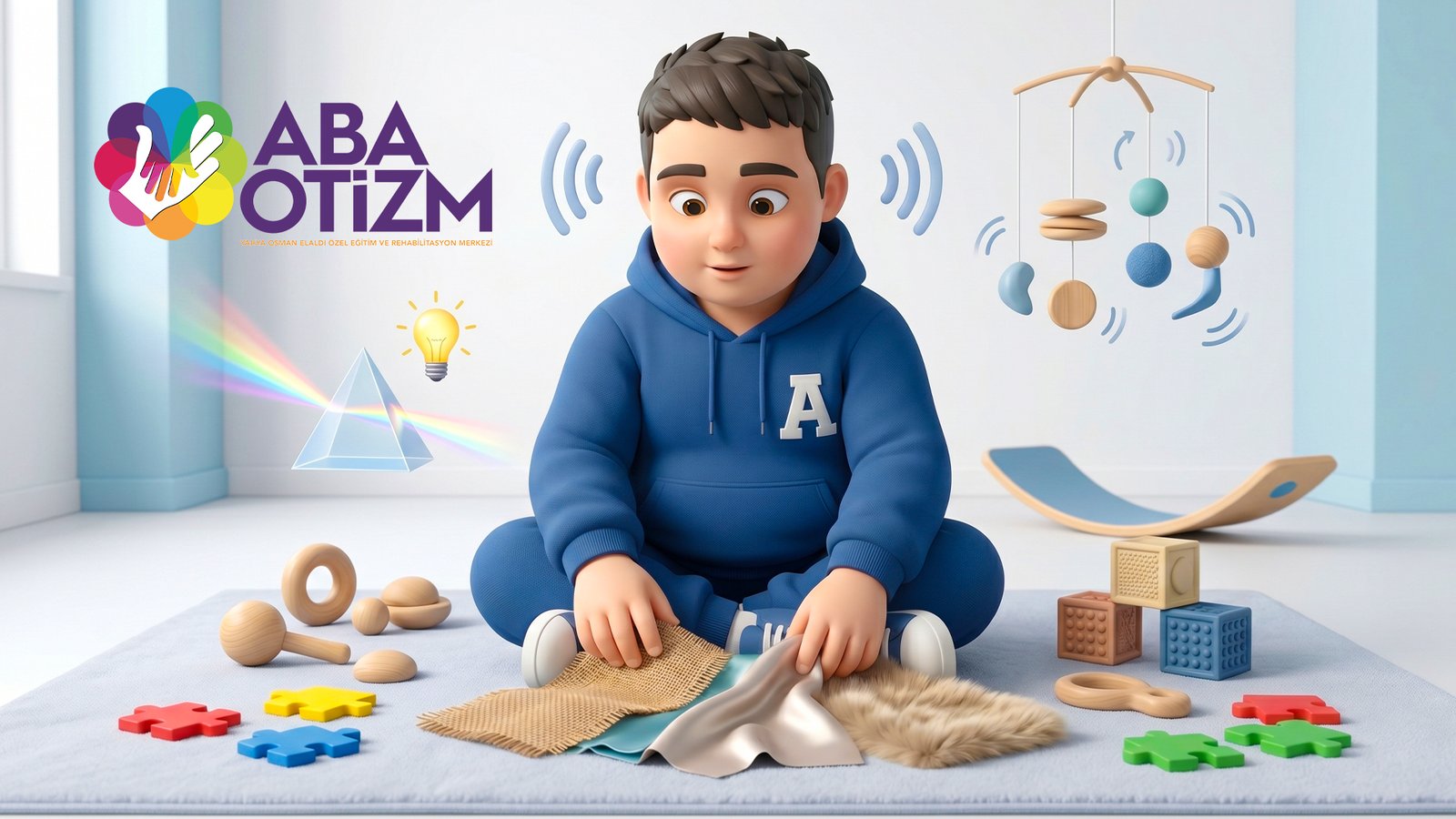
Sensory integration is related to a child's process of perceiving, organizing, and responding appropriately to sensory information from the environment. Children with autism may exhibit different reactions to sound, light, touch, smell, movement, or crowded environments. This can cause difficulties in daily life.
Sensory sensitivities vary from child to child. Some children are bothered by loud noises, while others may not want to touch certain textures. Some children may need to move, rock, or turn more.
What is Sensory Sensitivity?
Sensory sensitivity can be described as a child's response to environmental stimuli being more intense or less intense than expected.
For example, the sound of a vacuum cleaner, bright light, crowded environments, clothing tags, or certain food textures can be disturbing for a child.Autism Speaks states that sensory overload can lead to consequences such as intense anxiety, a need to escape the environment, or difficulty in communication.
Sensory Integration Support for Children with Autism
Sensory integration support aims to help the child understand their sensory needs and develop more regular responses in daily life. This process should be planned with expert assessment.
What Should Families Pay Attention To?
Families should observe in which environments the child struggles, and to which sounds, textures, or movements they react. These observations help experts create a more accurate support plan.
Sensory integration is an important area of support for children with autism in their daily living skills, attention process, and interaction with the environment. Understanding sensory sensitivities allows for a more accurate approach to a child's needs.