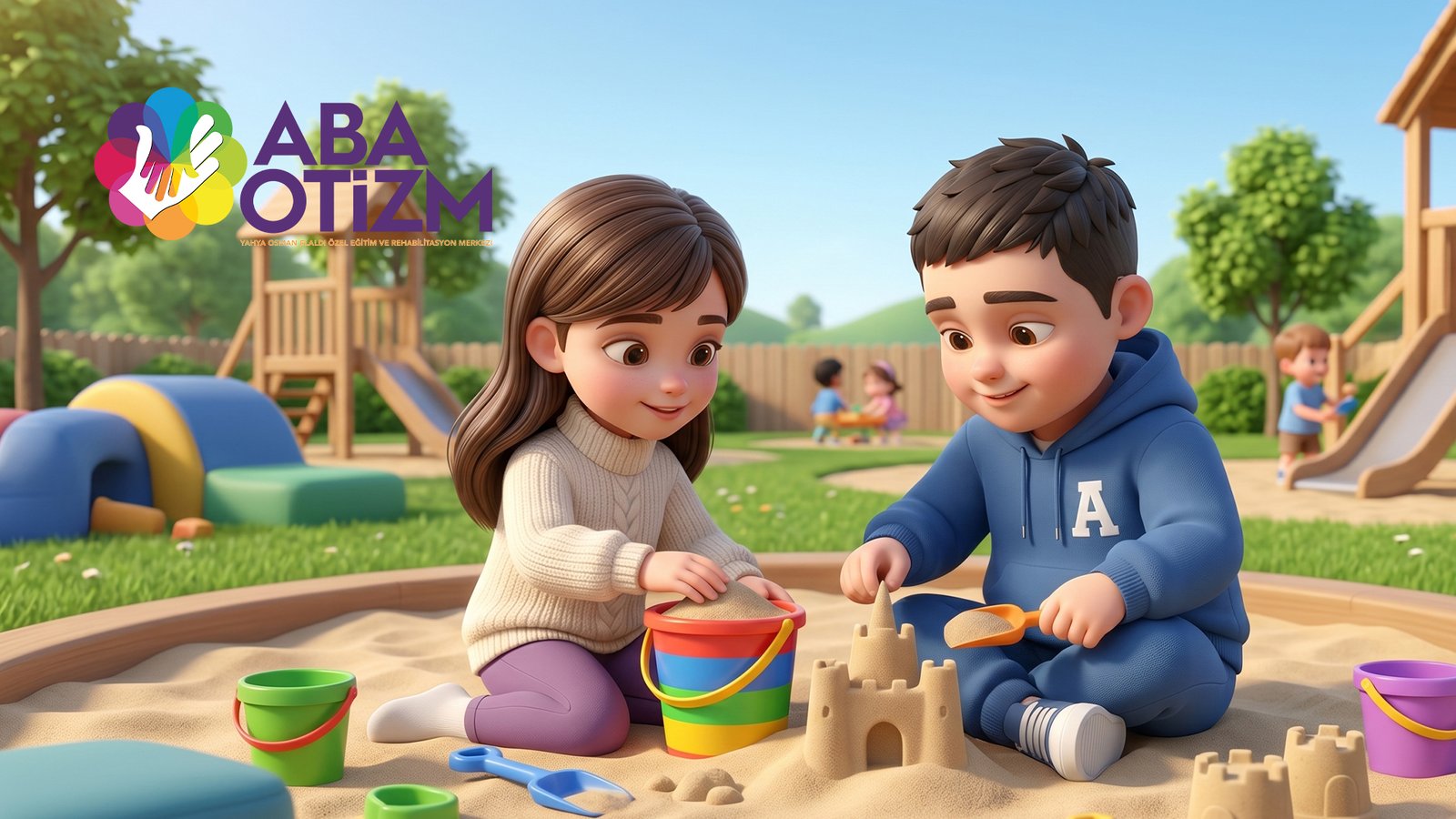
Play is one of the ways children explore the world, communicate, develop relationships, and express their emotions. Play therapy for autistic children is one of the important approaches used to support a child's social interaction, communication, joint attention, symbolic play, and emotion regulation skills.
Not every child learns in the same way through play. In autistic children, play can sometimes be repetitive, limited, or object-oriented. Therefore, the play process needs to be structured according to the child's developmental level and interests.
What is Play Therapy?
Play therapy is an approach that aims to support a child's self-expression and developmental skills through play.
During this process, the specialist observes the child's interests and tries to establish a safe and meaningful interaction with them.
Play Skills in Children with Autism
In children with autism, skills such as collaborative play, imitation, turn-taking, symbolic play, or maintaining peer-to-peer play may need support. Play therapy can offer appropriate opportunities for the child in these areas.
The Relationship Between Play and Communication
Play can support communication skills in a natural environment. During play, the child can work on skills such as expressing desires, making choices, making eye contact, imitating, or waiting their turn.
Play-Based Support in ABA Autism
In ABA Autism, play can be included in the educational process in a way that is appropriate to the child's developmental needs. The aim is to support the child's learning, relationship-building, and communication skills through play.
Play therapy for autistic children can be a supportive approach in terms of social interaction, communication, and emotional development. A properly planned play process can increase the child's motivation to learn.
&nbs;